
 ★ 8.2
JPTV4US
156 Japanese live-action series filed by the channel that first aired them, from NHK on channel 1 to Fuji TV on channel 8, the WOWOW pay channel, MBS in Osaka and the streaming services, with English synopses, seasons and episodes, cast and where to watch.
Channels
1 NHKChannel 1: NHK
See all (13)★ 8.2 ★ 8.8
 ★ 8.1
 ★ 8.3
 ★ 8.0
 ★ 9.1
 ★ 7.7
 ★ 9.4
 ★ 8.5
 ★ 7.0
 ★ 7.9
 ★ 7.7
4 Nippon TVChannel 4: Nippon TV
See all (13) ★ 7.3
 ★ 8.8
 ★ 7.2
 ★ 8.0
 ★ 7.9
 ★ 8.1
 ★ 7.6
 ★ 7.4
 ★ 7.5
 ★ 7.2
 ★ 7.5
 ★ 8.3
5 TV AsahiChannel 5: TV Asahi
See all (13) ★ 8.0
 ★ 6.4
 ★ 8.0
 ★ 8.7
 ★ 6.7
 ★ 7.9
 ★ 7.5
 ★ 6.8
 ★ 5.3
 ★ 7.7
 ★ 8.3
 ★ 7.2
6 TBS to 2014Channel 6: TBS until 2014
See all (13) ★ 8.1
 ★ 7.7
 ★ 8.2
 ★ 7.9
 ★ 8.3
 ★ 8.2
 ★ 8.3
 ★ 7.7
 ★ 8.0
 ★ 7.4
 ★ 7.7
 ★ 8.5
6 TBS 2015 onChannel 6: TBS since 2015
See all (13) ★ 8.4
 ★ 7.9
 ★ 7.5
 ★ 8.0
 ★ 7.6
 ★ 8.4
 ★ 7.3
 ★ 7.5
 ★ 7.4
 ★ 8.4
 ★ 9.1
 ★ 7.3
7 TV TokyoChannel 7: TV Tokyo
See all (13) ★ 8.2
 ★ 7.2
 ★ 7.5
 ★ 8.7
 ★ 5.9
 ★ 7.7
 ★ 7.7
 ★ 7.1
 ★ 7.6
 ★ 8.9
 ★ 8.4
 ★ 6.0
8 Fuji to 2009Channel 8: Fuji TV until 2009
See all (13) ★ 8.5
 ★ 7.7
 ★ 7.7
 ★ 8.6
 ★ 8.2
 ★ 8.5
 ★ 8.0
 ★ 8.4
 ★ 9.1
 ★ 7.9
 ★ 7.4
 ★ 8.6
8 Fuji 2010 onChannel 8: Fuji TV since 2010
See all (13) ★ 7.8
 ★ 8.5
 ★ 7.6
 ★ 7.6
 ★ 7.3
 ★ 7.3
 ★ 7.2
 ★ 7.6
 ★ 7.1
 ★ 7.4
 ★ 7.7
 ★ 6.4
BS 191 WOWOWBS 191: WOWOW
See all (13) ★ 7.7
 ★ 7.8
 ★ 7.5
 ★ 8.4
 ★ 6.2
 ★ 8.2
 ★ 7.4
 ★ 8.1
 ★ 8.2
 ★ 6.8
 ★ 7.5
 ★ 7.5
Kansai 4 MBSKansai 4: MBS
See all (13) ★ 7.8
 ★ 7.1
 ★ 7.2
 ★ 7.9
 ★ 7.3
 ★ 6.4
 ★ 6.8
 ★ 7.0
 ★ 6.8
 ★ 7.8
 ★ 8.0
 ★ 7.1
NetflixNetflix Japan
See all (13) ★ 8.1
 ★ 7.8
 ★ 7.5
 ★ 6.5
 ★ 7.3
 ★ 7.2
 ★ 7.7
 ★ 8.1
 ★ 7.4
 ★ 7.2
 ★ 7.0
 ★ 7.4
Other streamingOther streaming services
See all (13) ★ 7.7
 ★ 8.1
 ★ 6.3
 ★ 8.2
 ★ 8.0
 ★ 7.1
 ★ 6.7
 ★ 8.4
 ★ 8.1
 ★ 7.0
 ★ 7.7
 ★ 6.8
The JPTV4US guide
JPTV4US: Japanese TV by channel
A guide that starts from the channel
For a viewer outside Japan, a Japanese series usually arrives as a title on a streaming menu, cut loose from the place it came from. In Japan, the channel is part of the story. A drama on NHK at eight on a Sunday evening is a year-long historical epic; a drama on Fuji TV at nine on a Monday is a romance with the biggest stars of the season; a drama on TV Tokyo after midnight is a small, odd and often wonderful story about food, friendship or love. JPTV4US is built on that idea. It gathers 156 Japanese live-action series and files each one under the channel that first aired it, so that the guide reads like a week of Japanese television, channel by channel. The guide Japanese TV by channel sums up the idea in a few lines, and the guide Start with JPTV4US picks one series from each family of channels for a first visit.
The shelves carry the numbers that Japanese viewers press on their remote controls. In the Tokyo region, channel 1 is NHK General, the public broadcaster; channel 4 is Nippon TV; channel 5 is TV Asahi; channel 6 is TBS; channel 7 is TV Tokyo, and channel 8 is Fuji TV. These five commercial stations are the key stations of the national networks, and each one feeds its programmes to partner stations across the country. The guide adds three more doors: WOWOW, the satellite pay channel found on BS 191; MBS, the Osaka station that sits on channel 4 in the Kansai region, and the streaming services, led by Netflix. The guide The channel numbers explains each number.
How the shelves are built
The series come from TMDB, the film and television database behind the data of this guide. JPTV4US takes Japanese-language series and leaves animation, reality shows, talk shows, news, children's programmes and documentaries to other guides, so every title here is live-action fiction: drama, comedy, mystery, romance, historical epic and the special-effects hero shows the Japanese call tokusatsu. Each series goes under the first network that TMDB lists for it, which is usually the station that produced it or first broadcast it, and each shelf keeps the thirteen series with the most votes on TMDB. TBS and Fuji TV, the two channels with the most series in the pool, have two shelves each, split by era: TBS until 2014 and from 2015, and Fuji TV until 2009 and from 2010. The guide How the shelves work details each rule.
The twelve shelves fall into four families. Public broadcaster holds NHK. Tokyo key stations holds the five commercial networks, with seven shelves and 91 series. Pay and regional TV holds WOWOW and MBS, and Streaming holds Netflix and the other services. Every card carries its channel, for example Ch 8 · Fuji TV, and every series has an English synopsis, its cast, its seasons and episodes, and a Watch now button that opens it on JustWatch for the country you choose.
A word on the numbers. Japanese series are watched by tens of millions of people at home, but far fewer viewers rate them on TMDB, so the vote counts in this guide are modest next to those of American series. A Fuji TV romance that led the ratings of its year may carry forty votes on TMDB. The guide uses the votes to choose and order the series within each shelf, and treats the ratings as a guide to what international viewers have enjoyed most, a useful signal for anyone starting out.
Channel 1: NHK
NHK is the public broadcaster of Japan, paid for by a licence fee, and its dramas follow two great traditions. The first is the taiga drama, a historical epic that runs every Sunday evening for a whole year, about fifty episodes on the life of a samurai, a warlord or a hero of the end of the shogun era. The second is the asadora, the morning serial, fifteen minutes each weekday morning for six months or a year, usually the life of a young woman finding her way. The shelf Channel 1: NHK gathers thirteen series from 1983 to 2025, with an average rating of 8.11, the second highest of the twelve shelves after Fuji TV until 2009; eight of them reach 8. The guide NHK sums up the shelf.
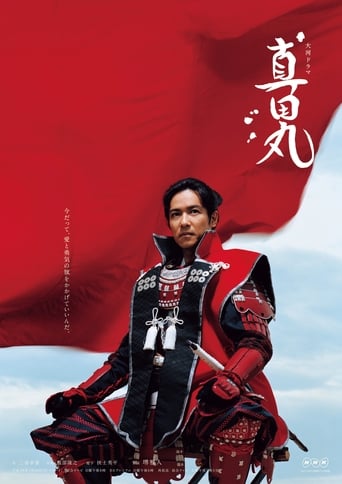
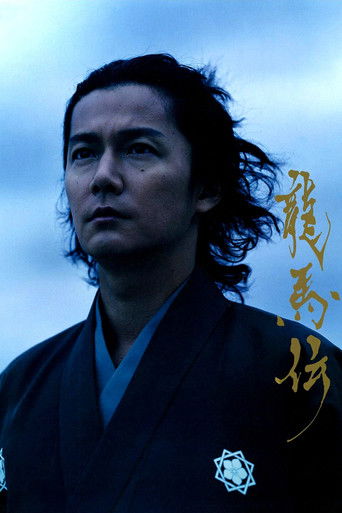
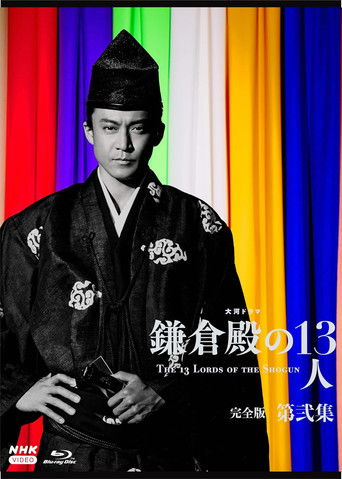
The taiga dramas lead the shelf. Ryōmaden, of 2010, with Masaharu Fukuyama as Sakamoto Ryōma, the samurai who helped bring down the shogunate, has a 9.1; Strategist KANBE, of 2014, with Junichi Okada as the strategist Kuroda Kanbei, has a 9.4, the highest rating of the whole guide; Sanadamaru, of 2016, written by Koki Mitani, follows Masato Sakai as the warrior Sanada Nobushige, and The 13 Lords of the Shogun, of 2022, also by Mitani, follows Shun Oguri through the bloody rise of the Kamakura shogunate. Each of them runs between 48 and 50 episodes.
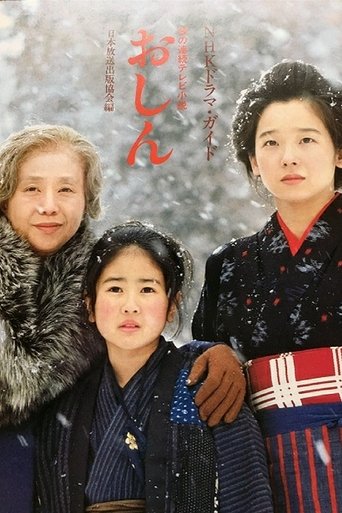
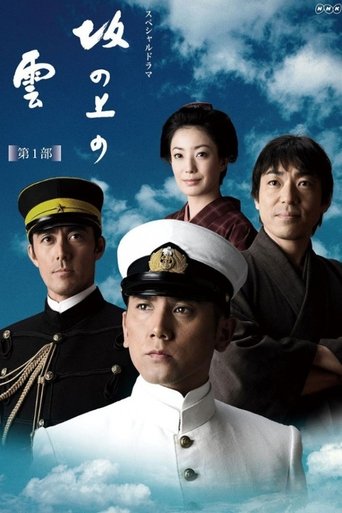
The asadora tradition gives the shelf its most famous title and its longest one: Oshin, of 1983, with 297 episodes, the story of a girl from a poor farming family who survives a hard childhood and builds a life across most of the twentieth century. It became one of the most watched dramas in the history of Japanese television and was sold to dozens of countries. Amachan, of 2013, with 157 episodes, written by Kankuro Kudo, follows a Tokyo teenager who becomes a free diver in a small fishing town in Iwate and then an idol. NHK also produced the three-part special drama Clouds Over the Hill, from 2009 to 2011, after the novel by Ryōtarō Shiba about the Japan of the Meiji era.
The recent NHK dramas are shorter and quieter. She Loves to Cook, and She Loves to Eat, of 2022, with an 8.8, follows two neighbours who share meals and slowly become close. Thus Spoke Kishibe Rohan, of 2020, brings to live action the manga artist of JoJo's Bizarre Adventure, with Issey Takahashi; Tokyo Salad Bowl, of 2025, follows a police officer and a police interpreter who help the foreign residents of Tokyo; Moribito: Guardian of the Spirit, of 2016, with Haruka Ayase as a spear-wielding bodyguard, is a fantasy in three seasons; Tokusatsu GaGaGa, of 2019, is a comedy about an office worker who hides her love of hero shows, and Life as a Girl, of 2018, follows a transgender woman in Tokyo across four episodes.
Channel 4: Nippon TV
Nippon TV, the first commercial television station of Japan, opened in 1953, and its dramas are the most varied of the key stations, from school comedies to murder mysteries. The shelf Channel 4: Nippon TV gathers thirteen series from 2002 to 2025, with an average rating of 7.75; five reach 8. The most voted is the live-action Death Note, of 2015, with 235 votes, with Masataka Kubota as Light Yagami and Kento Yamazaki as L. The best rated is Rebooting, of 2023, with an 8.8, by the comedy writer Bakarhythm: a woman dies at thirty-three and starts her life over again, keeping every memory, to make it a little better. Bakarhythm also wrote The Hot Spot, of 2025, with an 8.3, about a hotel worker whose colleague turns out to be an alien.
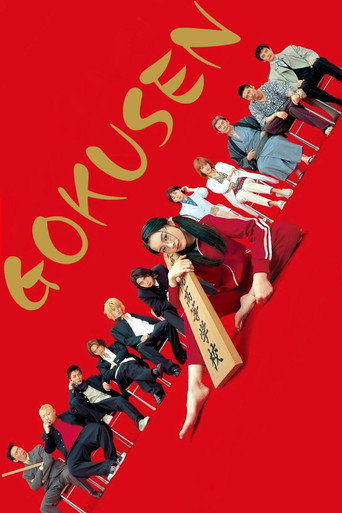
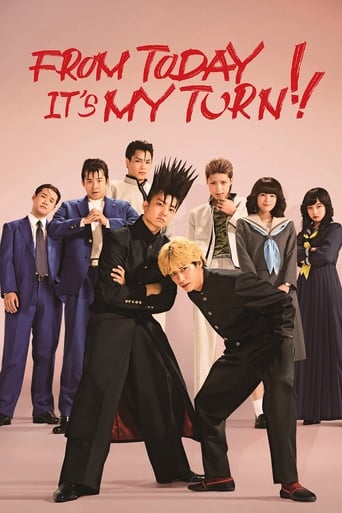
School is the favourite setting of the channel. Gokusen, of 2002, with an 8.0 and three seasons, stars Yukie Nakama as a teacher raised in a yakuza family who protects the toughest class of the school. Mr. Hiiragi's Homeroom, of 2019, with an 8.1, begins with a teacher taking his own class hostage ten days before graduation. Producing Nobuta, of 2005, follows two popular boys who decide to make a lonely new girl the most popular student of the school; My Boss, My Hero, of 2006, with an 8.0, sends a yakuza heir back to high school at twenty-seven, and From Today, It's My Turn!!, of 2018, is a comedy about two delinquents of the 1980s.
The rest of the shelf leans toward suspense. Your Turn to Kill, of 2019, a mystery in twenty episodes, follows the residents of an apartment building who play a game of naming people they would like to see dead and then watch the game come true; Love You as the World Ends, of 2021, is a zombie survival drama that continued on Hulu for five seasons; Hell Girl, of 2006, is the live-action version of the story of a girl who sends people to hell on request; 49, of 2013, puts the soul of a dead father into the body of a teenage boy, and Woman, of 2013, written by Yuji Sakamoto, follows a single mother raising two children in poverty, with Hikari Mitsushima and Yuko Tanaka.
Channel 5: TV Asahi
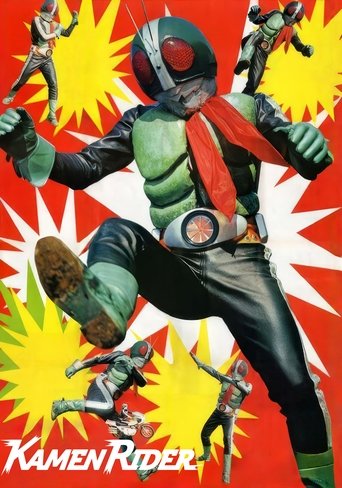
TV Asahi is the channel of heroes and detectives. On Sunday mornings it has long been the home of the Super Sentai teams and of Kamen Rider, and on weeknights it runs some of the longest-running crime dramas in Japan. The shelf Channel 5: TV Asahi gathers thirteen series from 1971 to 2023, with an average rating of 7.38 and 2,616 episodes, by far the most of any shelf. That total comes from two giants. TMDB groups the whole Kamen Rider franchise under the entry of the first Kamen Rider, of 1971, with 37 seasons and 1,760 episodes, and AIBOU: Tokyo Detective Duo, which began in 2002, has 24 seasons and 461 episodes of the eccentric inspector Ukyo Sugishita and his partners.
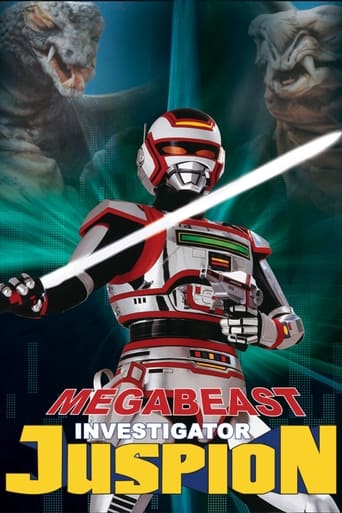
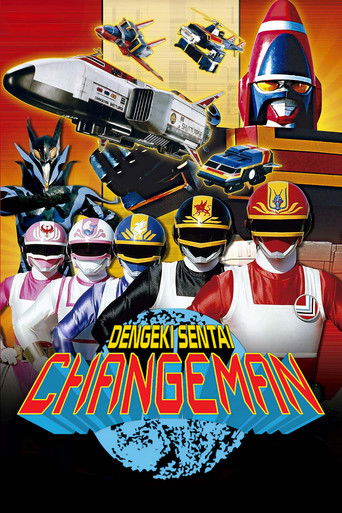
The tokusatsu titles of the channel go back to the golden age of the 1980s. Mobile Cop Jiban, of 1989, the most voted series of the shelf, with 227 votes and an 8.0, follows a police officer rebuilt as a cyborg; Megabeast Investigator Juspion, of 1985, a space hero who fights giant monsters; Ninja Olympiad, of 1988, a young ninja of the modern world, and Dengeki Sentai Changeman, of 1985, with an 8.3, a five-member team of the Super Sentai series. Several of these shows found a huge audience in Brazil, which may explain their high vote counts. Message from Space: Galactic Wars, of 1978, with an 8.7, the best rated of the shelf, is the television sequel to a space opera film, with a young Hiroyuki Sanada.
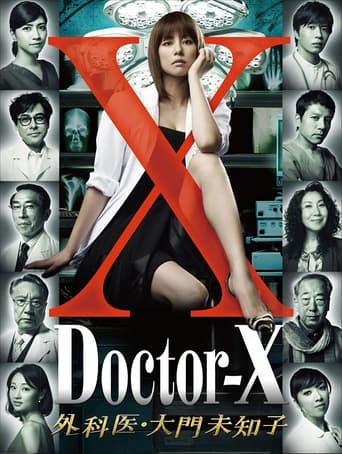
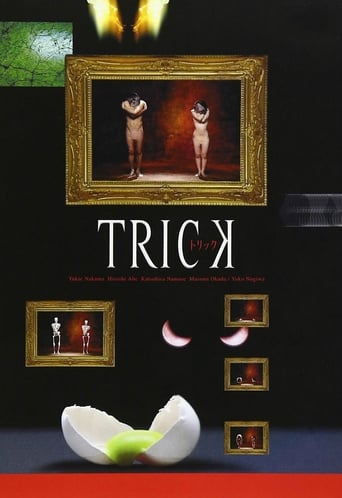
The dramas of the shelf are a mix of comedy and medicine. Doctor-X: Surgeon Michiko Daimon, from 2012, with seven seasons and 69 episodes, stars Ryoko Yonekura as a freelance surgeon whose proud motto is that she always succeeds, a series that became one of the biggest hits of the decade. Trick, of 2000, pairs Yukie Nakama as a struggling magician with Hiroshi Abe as a physicist who exposes fake psychics. Ossan's Love, of 2018, a comedy about a middle-aged manager in love with his young colleague, helped start a wave of romantic comedies between men, and A Man Who Defies the World of BL, of 2021, plays with the same genre. My Love Mix-Up!, of 2021, with an 8.0, is a high school romance of misunderstandings, and The Red Apple, of 2023, a darker love story, closes the shelf with the lowest rating of the guide, a 5.3.
Channel 7: TV Tokyo
TV Tokyo is the smallest of the five key stations, and its late-night slots have become the most inventive place on Japanese television, home of food dramas, workplace comedies and gentle romances between men. The shelf Channel 7: TV Tokyo gathers thirteen series from 2005 to 2024, with an average rating of 7.54; four reach 8. The best rated is Solitary Gourmet, from 2012, with an 8.9, eleven seasons and 132 episodes: a salesman, played by Yutaka Matsushige, finds a new small restaurant on each job and eats alone, in silence, with deep pleasure. What Did You Eat Yesterday?, from 2019, with two seasons, follows a lawyer and a hairdresser who share a flat and a dinner table, and the story is told one recipe at a time.
The most voted series of the shelf, with 89 votes and an 8.2, is the comedy known in English as Cherry Magic, of 2020, about an office worker who discovers at thirty that he can read the thoughts of anyone he touches, including those of the colleague who loves him. I Hear the Sunspot, of 2024, with an 8.7, follows a university student who is hard of hearing and the classmate who takes notes for him, and Minato's Laundromat, of 2022, a romance in a coin laundry. Million Yen Women, of 2017, is a mystery about a writer who shares his house with five women who pay him a million yen a month.
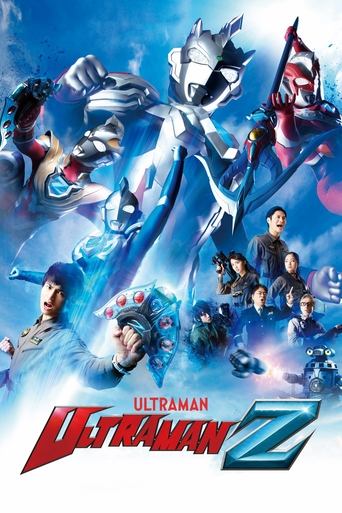
The channel also became the new home of Ultraman: Ultraman Z, of 2020, with an 8.4, and Ultraman Trigger: New Generation Tiga, of 2021, are both here, while the classic Ultra series of the 1960s and 1970s are on TBS. The rest of the shelf is fantasy and adaptation: GARO, from 2005, the dark fantasy of a knight who hunts demons, with seven seasons and 147 episodes; the comedy of a hero in a cheap role-playing game known as Yoshihiko, from 2011; the live-action Mob Psycho 100, of 2018; Re:Mind, of 2017, a mystery in which eleven schoolgirls wake up tied to a dining table, and the 2023 live-action version of the shōjo classic From Me to You, which TV Tokyo made with Netflix.
Channel 6: TBS
TBS, the Tokyo Broadcasting System, is the channel with the strongest drama tradition of the commercial networks, and also the original home of Ultraman. Its Sunday nine o'clock slot, Nichiyō Gekijō, is known for big, emotional dramas about work and justice, and its Tuesday and Friday evening slots for romance, comedy and mystery. The guide The key stations compares TBS with the other four commercial networks.
Channel 6: TBS until 2014
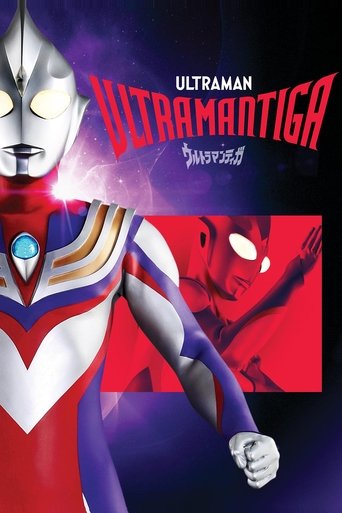
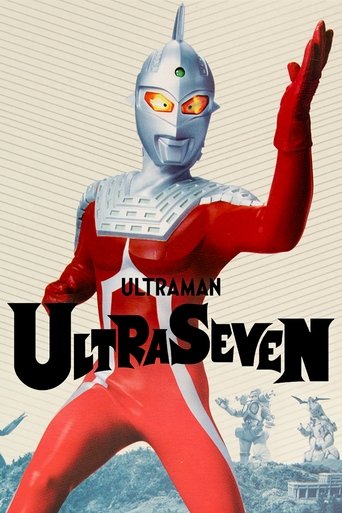
The shelf Channel 6: TBS until 2014 gathers thirteen series from 1966 to 2014, with an average rating of 8.01; eight reach 8. It holds the oldest series of the whole guide, Ultraman, which began on 17 July 1966 with an 8.3: a member of a science patrol merges with a giant hero from space to fight the monsters that attack Japan. Ultraseven followed in 1967, Ultraman Ace in 1972 and, after a long gap, Ultraman Tiga in 1996, with an 8.2, the series that revived the franchise for a new generation. Four Ultra series on one shelf make TBS the cradle of tokusatsu in this guide, and the collection Tokusatsu gathers them with the heroes of the other channels.
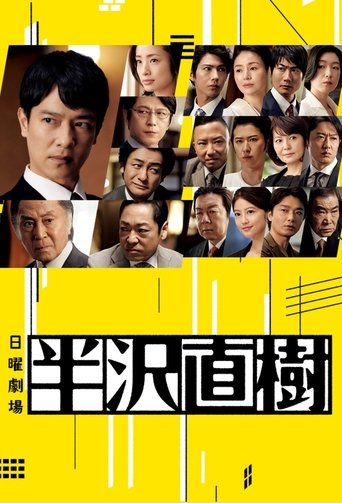
The most voted series of the shelf, and of every broadcast channel in the guide, is BOYS OVER FLOWERS, of 2005, with 303 votes and an 8.1, the live-action version of the shōjo manga about a working-class girl and the four rich boys who rule her school, with Mao Inoue and Jun Matsumoto. The romance Sky of Love: Someone I love is there, of 2008, follows with 269 votes. Hanzawa Naoki, of 2013, with an 8.3, is the great Nichiyō Gekijō hit of the period: Masato Sakai plays a banker who swears to repay double every wrong done to him, and the final episode drew one of the largest audiences of any Japanese drama of the century.
The shelf rounds out with some of the best loved titles of TBS. Midnight Diner, of 2009, with an 8.2 and three seasons, takes place in a small restaurant open from midnight to seven in the morning, where the master cooks whatever his regulars ask for; it later moved to Netflix as Midnight Diner: Tokyo Stories. Jin, of 2009, with an 8.0, sends a modern surgeon back to the Edo period; Dragon Sakura, of 2005, follows a lawyer who turns a failing school into a factory for Tokyo University entrants; Ikebukuro West Gate Park, of 2000, written by Kankuro Kudo, follows the young gangs of Ikebukuro; SPEC ~ First Blood, of 2010, with an 8.5, is a police drama about people with supernatural powers, and Saving My Stupid Youth, of 2014, is a school comedy by Kudo.
Channel 6: TBS since 2015
The shelf Channel 6: TBS since 2015 gathers thirteen series from 2015 to 2026, with an average rating of 7.87; five reach 8. The most voted is Unnatural, of 2018, with 106 votes and an 8.4, written by Akiko Nogi: Satomi Ishihara plays a forensic pathologist at an institute that investigates unexplained deaths, one case per episode. Nogi also wrote MIU404, of 2020, a police drama about a mobile patrol unit with Go Ayano and Gen Hoshino, and The Full-Time Wife Escapist, of 2016, with Yui Aragaki and Gen Hoshino as a couple who marry as an employment contract, a huge hit whose closing dance became a national craze.
The romance of the shelf goes from An Incurable Case of Love, of 2020, with Mone Kamishiraishi as a nurse in love with a cold doctor played by Takeru Satoh, to Eye Love You, of 2024, about a woman who hears the thoughts of the people she looks at and falls for a Korean student, and Love Is a Poison, of 2024, with an 8.4. Quartet, of 2017, written by Yuji Sakamoto, with an 8.0, brings together four string players who meet by chance in Tokyo and share a holiday house in Karuizawa, each of them hiding a secret.
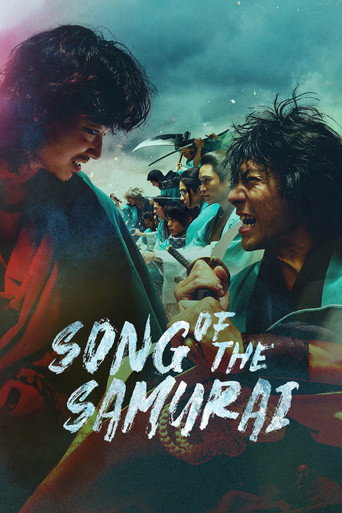
The Nichiyō Gekijō slot keeps its taste for grand stories: La Grande Maison Tokyo, of 2019, with an 8.4, has Takuya Kimura as a disgraced chef who tries to win three Michelin stars; Vivant, of 2023, with Masato Sakai as a trading company employee drawn into an espionage plot in Central Asia, and The Emperor's Cook, of 2015, with Takeru Satoh as the young man who became the chef of the imperial household. The shelf closes with Trillion Game, of 2023, about two friends who set out to earn a trillion yen; Final Fantasy XIV: Dad of Light, of 2017, about a son who reconnects with his father inside an online game, and Song of the Samurai - Chapter: Youthful Days in Edo, of 2026, with a 9.1, the youth of the Shinsengumi swordsmen.
Channel 8: Fuji TV
For much of the 1980s, 1990s and 2000s Fuji TV was the most watched channel of Japan, and its Monday nine o'clock drama slot, known as Getsuku, set the fashion for the whole country. The trendy dramas of the early 1990s, romances among young professionals in Tokyo, were born here, and a Getsuku hit could set the fashion trends of a whole season. The two Fuji TV shelves tell that story and what came after it.
Channel 8: Fuji TV until 2009
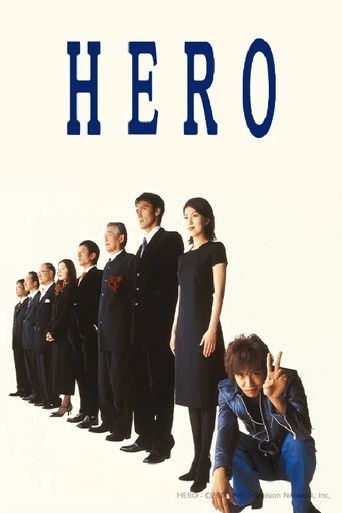
The shelf Channel 8: Fuji TV until 2009 gathers thirteen series from 1991 to 2007, with an average rating of 8.26, the highest of the twelve shelves; nine reach 8. The oldest is Tokyo Love Story, of 1991, with an 8.4, the Getsuku romance of Honami Suzuki and Yuji Oda that defined the trendy drama. Long Vacation, of 1996, with an 8.6, made Takuya Kimura the biggest television star of the decade, playing a shy pianist who shares a flat with an older woman left at the altar. Kimura has two more series on the shelf: Hero, of 2001, as an unconventional prosecutor, and Pride, of 2004, as the captain of an ice hockey team. With La Grande Maison Tokyo on TBS, he leads four series of the guide, from the 1990s to the 2010s.
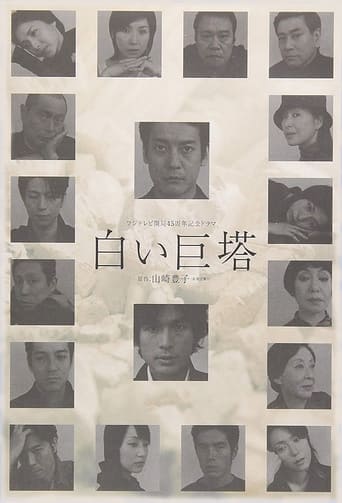
The most voted series of the shelf is 1 Litre of Tears, of 2005, with 169 votes and an 8.5, the true story of Aya Kito, a teenager who kept a diary through her years with a degenerative disease; it remains one of the most watched Japanese dramas abroad. The Great White Tower, of 2003, with a 9.1, the best rated of the shelf, adapts the novel by Toyoko Yamasaki about the ambition of a surgeon in a university hospital, and Furuhata Ninzaburo, from 1994, with an 8.8, written by Koki Mitani, is the Japanese answer to Columbo: each episode shows the murder first, and the inspector then traps the killer.
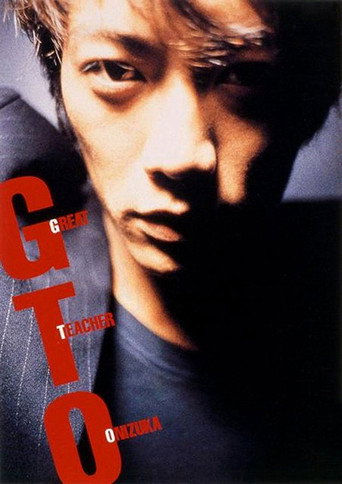
The rest of the shelf is the Fuji TV of the 2000s. Galileo, of 2007, with an 8.2, pairs Masaharu Fukuyama as a physicist with a young detective, after the novels of Keigo Higashino; Liar Game, of 2007, with Erika Toda, is a game of deception for huge sums of money; Nodame Cantabile, of 2006, is the comedy of an eccentric piano student and an ambitious conductor; Operation Love, of 2007, with an 8.6, lets a young man travel back in time through wedding photographs to win back his childhood friend; HANA-KIMI, of 2007, sends a girl in disguise to an all-boys school, and GTO, of 1998, with an 8.5, follows a former biker gang leader who becomes the best teacher of his school.
Channel 8: Fuji TV since 2010
The shelf Channel 8: Fuji TV since 2010 gathers thirteen series from 2012 to 2024, with an average rating of 7.41; only one, Legal High, of 2012, reaches 8, with an 8.5: Masato Sakai plays a brilliant, arrogant lawyer who wins every case, and Yui Aragaki his idealistic young associate. The most voted is The Hours of My Life, of 2014, with 129 votes, with Haruma Miura as a young man facing ALS. The Fuji TV of this period is the channel of comedies of manners and love affairs: The Confidence Man JP, of 2018, about a team of con artists; Rich Man, Poor Woman, of 2012, with Shun Oguri as a young IT millionaire; My Dangerous Wife, of 2016, and Hirugao: Love Affairs in the Afternoon, of 2014, a drama about affairs that became a social phenomenon.
The shelf shows how the channel's late-night and online dramas moved into new territory: Silent, of 2022, follows a young woman who meets again her first love, who has lost his hearing, a love story that was widely discussed when it aired; Old Fashion Cupcake, of 2022, Perfect Propose, of 2024, and Pornographer, of 2018, are romances between men; Transit Girls, of 2015, is a romance between two young women, and Mischievous Kiss: Love in Tokyo, of 2013, a new version of a classic shōjo manga in two seasons. The comedy of a woman and the monk who falls for her, known as From Five to Nine, of 2015, completes the shelf.
BS 191: WOWOW
WOWOW is the satellite pay channel of Japan, and its drama line, the WOWOW Original Drama, has the feel of a premium cable series: short seasons, adult subjects and leading film actors. The shelf BS 191: WOWOW gathers thirteen series from 2012 to 2025, with an average rating of 7.6; four reach 8. Most of them run five or six episodes, and the shelf as a whole has only 108 episodes, the fewest of the guide. The guide Pay and regional TV sums up WOWOW and MBS.
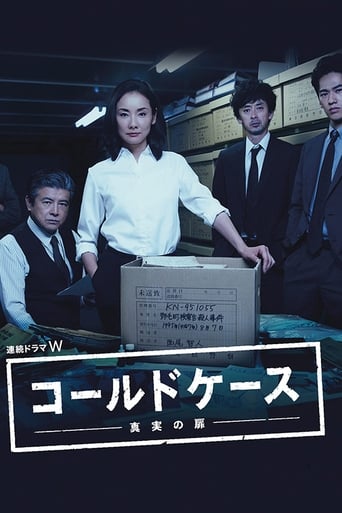
The oldest series of the shelf is Penance, of 2012, a five-part mystery directed by the film director Kiyoshi Kurosawa, about four women who witnessed the murder of a classmate as children and the mother who asks them to atone. Crime and mystery dominate the channel: Stone's Cocoon, of 2015, with an 8.2, the first case of a young woman detective; Cold Case: Door of Truth, of 2016, with an 8.2 and three seasons, the Japanese version of the American series about unsolved cases; Uzukawamura Incident, of 2022, a village cut off by floods where a murder sets the villagers against each other, and Sai, of 2025, with Teruyuki Kagawa. Ryuhei Matsuda appears in three of the thirteen, more than any other actor on the shelf: Uzukawamura Incident, Sai and 0.5 Man, of 2023, with an 8.4, the best rated of the shelf, a family drama about a man who has shut himself away for years and whose sister's family moves into his parents' house.
WOWOW also adapts manga for adults. Golden Kamuy -The Hunt of Prisoners in Hokkaido-, of 2024, continues the live-action film about a veteran of the Russo-Japanese War and an Ainu girl searching for hidden gold; the live-action Ao Haru Ride, of 2023, is a school romance in two seasons, and the CLAMP adaptation of 2013 known as xxxHOLiC follows a boy who works for a witch who grants wishes. Completing the shelf are The House on the Slope, of 2019, with an 8.1, about a young mother on a jury in a child death trial; Fence, of 2023, set in Okinawa; Influence, of 2021, and Love of Sage, of 2016.
Kansai 4: MBS
MBS, the Mainichi Broadcasting System, is the Osaka station that shares the TBS network, and in the late-night slots of the 2010s and 2020s it became one of the main producers of live-action manga adaptations, above all romances between men. The shelf Kansai 4: MBS gathers thirteen series from 1997 to 2025, with an average rating of 7.34. The most voted is Kakegurui, of 2018, with 183 votes, the live-action version of the manga about a school where everything is decided by gambling, with Minami Hamabe as Yumeko Jabami; its film sequels and the spin-off Kakegurui Twin followed.
Eight of the thirteen are romances between men: My Beautiful Man, of 2021, with two seasons and films; My Personal Weatherman, of 2023; Candy Color Paradox, of 2022; Takara-kun and Amagi-kun, of 2022; Jack o' Frost, of 2023; Love Is Better the Second Time Around, of 2024; When It Rains, It Pours, of 2025, with an 8.0, and Eternal Yesterday, of 2022, a fantasy about a boy who keeps living after his death. The shelf also has the comedies Back Street Girls: Gokudols, of 2019, about three yakuza who become a girl idol group, and Prison School, of 2015, and the romance Coffee and Vanilla, of 2019. Its oldest series, Ultraman Dyna, of 1997, with an 8.2, is the sequel to Ultraman Tiga, which MBS produced in the same years.
Netflix Japan
Netflix began to commission Japanese series in the middle of the 2010s, and its productions reach a worldwide audience that the broadcast channels rarely touch. The shelf Netflix Japan gathers thirteen series from 2016 to 2026 with 4,678 votes, more than any other shelf. The most voted series of the whole guide is here: Alice in Borderland, of 2020, with 2,864 votes and an 8.1, about a group of young people trapped in an empty Tokyo who must win deadly games to survive, with Kento Yamazaki and Tao Tsuchiya, in three seasons. The guide Streaming sums up Netflix and the other services.
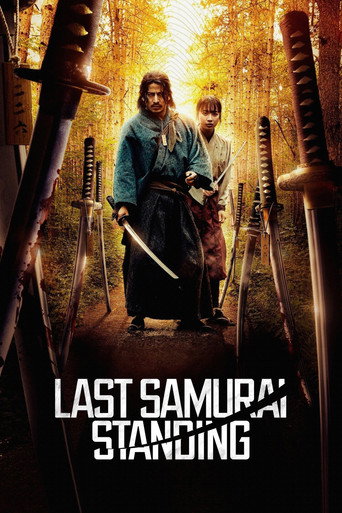
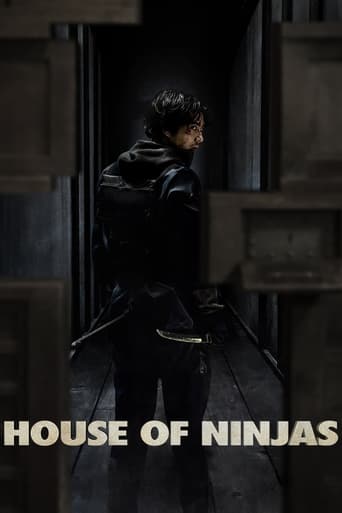
Netflix Japan likes period action and big adaptations. Last Samurai Standing, of 2025, with Junichi Okada, gathers 292 swordsmen for a deadly race across Meiji Japan; House of Ninjas, of 2024, follows the last family of ninja living in modern Tokyo; the live-action Yu Yu Hakusho, of 2023, adapts the classic manga about a delinquent who becomes a spirit detective, and Erased, of 2017, sends a man back to his childhood to prevent a series of kidnappings. THE DAYS, of 2023, with Koji Yakusho, recreates the first days of the Fukushima nuclear disaster, and The Naked Director, of 2019, tells the life of the adult film director Toru Muranishi.
The romance of the shelf is First Love, of 2022, with an 8.1, inspired by two songs of Hikaru Utada, with Hikari Mitsushima and Takeru Satoh as lovers who meet again over two decades; Good Morning Call, of 2016, is a school romance made with FOD, the streaming service of Fuji TV. Completing the shelf are Ju-On: Origins, of 2020, created with Takashi Shimizu, the director of the Ju-On films; Burn the House Down, of 2023, a revenge drama with Mei Nagano; Midnight Diner: Tokyo Stories, of 2016, the continuation of the TBS series, and Human Vapor, of 2026, a crime fantasy created by the Korean filmmaker Yeon Sang-ho, with Shun Oguri.
Other streaming services
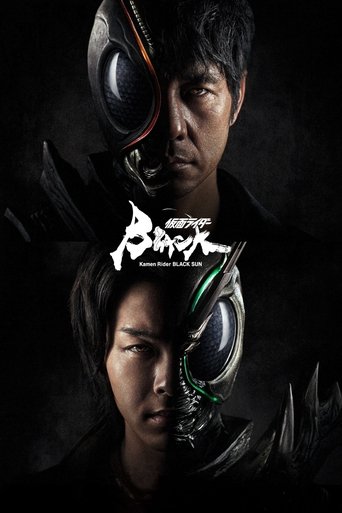
The shelf Other streaming services gathers thirteen series from 2016 to 2025 made first for Prime Video, Disney+ and the Japanese services DMM TV, Paravi, dTV and TELASA, with an average rating of 7.5; five reach 8. Prime Video has seven of them, among them two reimaginings of Kamen Rider for adults: Amazon Riders, of 2016, with an 8.4, and Kamen Rider Black Sun, of 2022, with an 8.1, directed by Kazuya Shiraishi. Disney+ has Gannibal, of 2022, the most voted of the shelf, a horror story about a police officer posted to a village with a terrible secret, and Land of Tanabata, of 2024.
The rest of the shelf mixes manga and remakes: Marry My Husband: Japan, of 2025, with an 8.2, the Japanese version of the Korean revenge romance; OSHINOKO, of 2024, the live-action version of the manga about the children of an idol; Happy Kanako's Killer Life, of 2025, a comedy about an office worker who becomes a hired killer; Tokyo Vampire Hotel, of 2017, by the director Sion Sono; Tokyo Girl, of 2016, about a woman's career and loves in Tokyo; Gintama: Mitsuba Arc, of 2017, a three-episode spin-off of the Gintama films; Modern Love Tokyo, of 2022, the Japanese version of the American anthology, and two lighter series, a comedy about the love lives of the staff of a small company, from Paravi, and I Became the Main Role of a BL Drama, of 2023, from TELASA.
The tokusatsu thread
Tokusatsu, literally special filming, is the Japanese tradition of live-action hero shows with suits, miniatures and giant monsters, and it runs through four channels and two streaming services in this guide. The collection Tokusatsu gathers sixteen of these series, with an average rating of 7.96. The Ultra series began on TBS with Ultraman in 1966 and continued with Ultraseven, Ultraman Ace and Ultraman Tiga; MBS produced Ultraman Dyna in 1997, and TV Tokyo became the home of the newest heroes, Ultraman Z and Ultraman Trigger: New Generation Tiga. TV Asahi holds the other great family: Kamen Rider, the Super Sentai team of Dengeki Sentai Changeman and the Metal Heroes of the 1980s, Megabeast Investigator Juspion, Ninja Olympiad and Mobile Cop Jiban.
The streaming age has turned tokusatsu toward adult audiences. Prime Video commissioned Amazon Riders, a violent reimagining of Kamen Rider Amazon, and Kamen Rider Black Sun, a political drama about discrimination built on the 1987 series Kamen Rider Black. On TV Tokyo, GARO, created by the designer Keita Amemiya, began in 2005 and grew to seven seasons of dark fantasy for late-night viewers. The guide Tokusatsu follows each thread from the 1960s to today.
The drama slots
Japanese channels schedule their dramas in fixed weekly slots, and each slot has its own character. NHK's taiga drama airs on Sunday at eight in the evening, for a year; its asadora airs every weekday morning. TBS's Sunday drama at nine follows the taiga drama of NHK with stories of justice and ambition, from Hanzawa Naoki to La Grande Maison Tokyo and Vivant. Fuji TV's Getsuku, on Monday at nine, gave the country Tokyo Love Story, Long Vacation, Hero, Pride, Nodame Cantabile, Galileo and, later, Rich Man, Poor Woman and The Confidence Man JP.
The late-night slots, after eleven and often after midnight, are where the smaller stations experiment. TV Tokyo built its reputation there with Solitary Gourmet and the romances between men that followed Cherry Magic, and MBS made its late-night slots the home of manga adaptations, from Kakegurui to My Beautiful Man. Most Japanese dramas run for one season of ten or eleven episodes, from January, April, July or October, the four seasons of the Japanese television year. The guide The drama slots lists the slots of each channel.
The stars across the channels
Japanese actors move freely between channels, and the cast lists of the guide show it. Shun Oguri appears in seven series on six channels and services: BOYS OVER FLOWERS on TBS, HANA-KIMI and Rich Man, Poor Woman on Fuji TV, Woman on Nippon TV, The 13 Lords of the Shogun on NHK, Gintama: Mitsuba Arc on dTV and Human Vapor on Netflix. Masato Sakai links NHK, TBS and Fuji TV with Sanadamaru, Hanzawa Naoki, Vivant and Legal High; Hiroshi Abe links NHK, TV Asahi and TBS with Clouds Over the Hill, Trick, Dragon Sakura and Vivant, and Takuya Kimura leads three Fuji TV series and one on TBS.
The younger generation travels just as widely. Hikari Mitsushima appears on Nippon TV in Woman, on TBS in Saving My Stupid Youth and Quartet, and on Netflix in First Love, where she shares the screen with Takeru Satoh, who also appears in two TBS series and in Marry My Husband: Japan on Prime Video. Ryuhei Matsuda appears in five series, three of them on WOWOW, and Masami Nagasawa in four, from Operation Love to Sanadamaru. The guide The stars lists the actors who appear on several channels.
One-season stories
The Japanese drama is a closed story more often than an open-ended series. Ninety-five of the 156 series of the guide, about six in ten, tell their story in a single season of thirteen episodes or fewer, the classic format of a three-month television season. The collection One-season stories gathers them, from 1 Litre of Tears and Unnatural to Death Note and THE DAYS. The long runners are the exceptions: the morning serial Oshin, with 297 episodes; the detective duo of AIBOU: Tokyo Detective Duo, with 461 episodes in 24 seasons, and Solitary Gourmet, with eleven seasons. The guide One-season stories explains the format.
JPTV4US in figures
The 156 series of the guide carry about 11,100 votes on TMDB, with an average rating of 7.69, and 57 of them reach 8; the collection Rated 8 or more lists them from the best down. Together they hold about 5,470 episodes in 290 seasons. The best rated is the taiga drama Strategist KANBE, with a 9.4, followed by Ryōmaden, The Great White Tower and the 2026 Shinsengumi drama of TBS, all with a 9.1, and by Solitary Gourmet, with an 8.9. The most voted are Alice in Borderland, with about 2,900 votes, then BOYS OVER FLOWERS, Sky of Love: Someone I love is there, Last Samurai Standing, Yu Yu Hakusho and Death Note, all between 230 and 310.
By decade, the guide holds two series of the 1960s, three of the 1970s, five of the 1980s, six of the 1990s, 23 of the 2000s, 58 of the 2010s and 59 of the 2020s: the recent series dominate, partly because many international viewers discovered Japanese drama through streaming. Drama is the first genre of 92 series, comedy of 25, action and adventure of 17, and mystery of eight. TMDB lists 147 of the 156 as finished and nine as still running, among them AIBOU, Vivant and Last Samurai Standing. The guide The figures gathers every number.
Where to begin
For a first evening of Japanese television, the guide suggests a path by mood. For mystery, start with Unnatural on TBS or Furuhata Ninzaburo on Fuji TV, where the killer is known from the first scene and the pleasure lies in the trap. For romance, try Long Vacation from the golden age of Fuji TV, or First Love on Netflix. For history, the NHK taiga dramas Ryōmaden and Sanadamaru tell the end of the samurai age with the best actors of their time. For comfort, the late-night food dramas Solitary Gourmet and Midnight Diner are the gentlest company on Japanese television, and for pure spectacle, Alice in Borderland and the Ultra series of TBS show two very different faces of Japanese fantasy.
How to use JPTV4US
The home page opens with an introduction and a strip of channel tiles, one per shelf, grouped by family, each with its colour: green for NHK, vermilion for the key stations, violet for pay and regional TV and indigo for streaming. Each tile shows the family, the channel number and name, and the number of series, and leads to its row. Each row sits under an indigo bar like a line of a television listings page, with twelve cards and a See all button that opens the full shelf. The menu at the top leads to the four families and to the tokusatsu collection, and the search box finds any series by its English or Japanese title; the guide How to search explains how.
Each card shows the year in vermilion, the TMDB rating and, at the bottom, the channel, for example Ch 6 · TBS; under the poster come the first genre and the number of episodes. The series page has the English synopsis, the cast, the creators and every season with its episodes. The Watch now button opens the series on JustWatch, which shows the services that offer it in your country, and the button My list keeps it in your browser. The guide How to use JPTV4US explains each part, and the guide The Watch now button explains how JustWatch works.
Questions
What is JPTV4US
An English guide to 156 Japanese live-action series filed by the channel that first aired them.
What do the channel numbers mean
They are the remote-control numbers of the Tokyo stations: 1 NHK, 4 Nippon TV, 5 TV Asahi, 6 TBS, 7 TV Tokyo and 8 Fuji TV.
Where does the channel of each series come from
From the first network that TMDB lists for the series.
Which series has the most votes
Alice in Borderland, on Netflix, with about 2,900 votes.
Which series is the best rated
The NHK taiga drama Strategist KANBE, with a 9.4.
Which is the oldest series
Ultraman, which began on TBS on 17 July 1966.
Which series has the most episodes
AIBOU: Tokyo Detective Duo, with 461 episodes in 24 seasons, besides the franchise entry of Kamen Rider.
How long is a typical Japanese drama
One season of ten or eleven episodes; 95 of the 156 series tell their story in a single season of thirteen episodes or fewer.
Where can I watch the series
The Watch now button opens each series on JustWatch, which shows the services that offer it in your country.
Where is My list kept
In your browser, on the device where you create it.
